Introduction
Definition of Koi
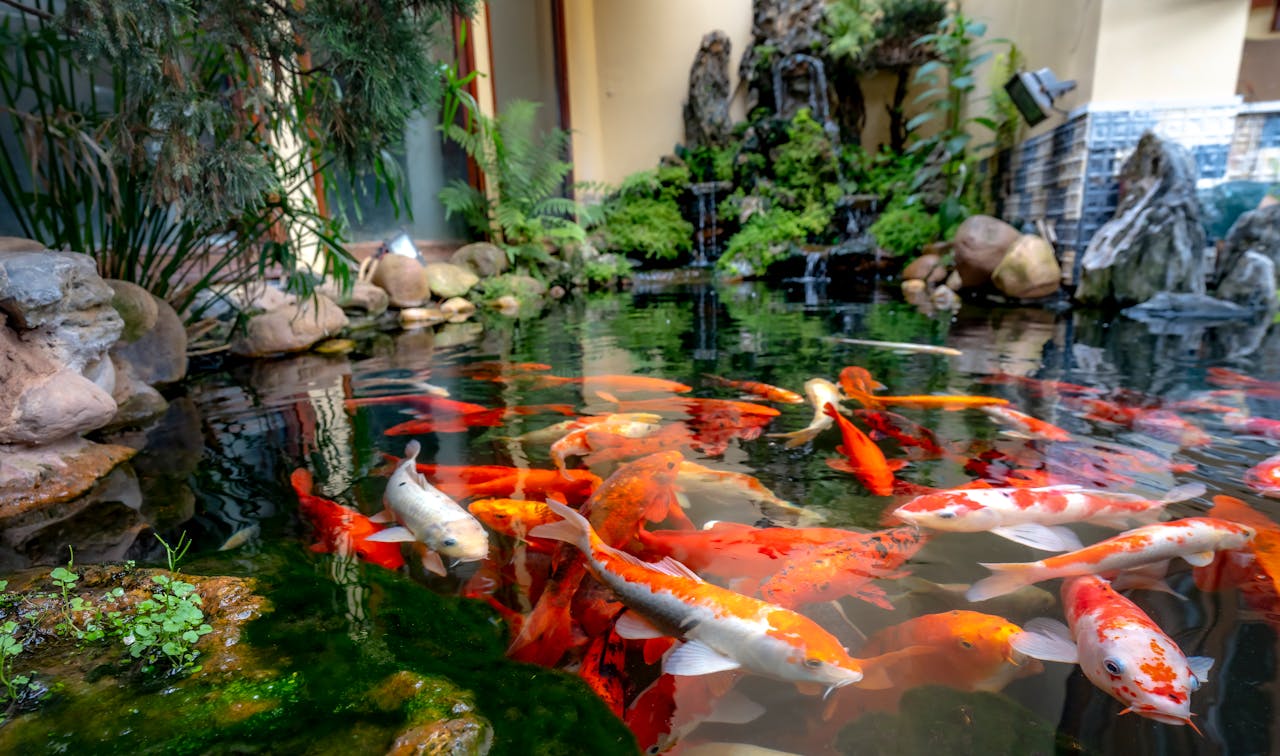
Koi fish, with their vibrant colors and graceful movements, have captivated people across the globe for centuries. Originating from Japan, these freshwater fish are not only pets for fish enthusiasts but also carry profound meanings in various cultures. Koi are known to symbolize perseverance, strength, and determination due to their ability to swim upstream against strong currents. Personally, I have always found comfort watching koi swim in tranquil ponds, their colors radiating against the water’s surface. It’s fascinating how something as simple as a fish can evoke such deep emotions and connections within us.
History of Koi Symbolism
The rich history of koi symbolism dates back to ancient China, where they were celebrated for their resilience and beauty. Here are some key points in the evolution of koi symbolism:
- Chinese Mythology: Koi were regarded as auspicious and were often associated with success and prosperity.
- Japanese Culture: In Japan, particularly during the Edo period, koi became symbols of courage and strength. The famous koi fish story of the koi swimming upstream and transforming into a dragon beautifully encapsulates this idea of transformation and triumph against adversity.
- Modern Interpretations: Today, the symbolism of koi continues to thrive, resonating with people seeking inspiration in their lives.
Embodying a rich tapestry of meanings, koi fish remind us of the persistent struggles and joyful triumphs that define our journeys.
Japanese Culture
Koi in Japanese Art
In Japan, koi have served as a profound source of inspiration in art for centuries. Artists have immortalized these exquisite fishes in various forms, from paintings to ceramics and textiles. The stunning colors and patterns of koi, such as the kikokuryu koi fish, with their unique black and white hues, contribute to their allure.
- Prints and Paintings: Traditional woodblock prints often feature koi gracefully swimming, embodying tranquility and beauty.
- Ceramics: Koi motifs are commonly seen in porcelain and pottery, highlighting their significance in Japanese craftsmanship.
Personally, I once visited a local gallery where koi paintings adorned the walls, and I was mesmerized by how the artists captured the essence of these fish. Their fluid movements seemed to leap off the canvas!
Koi in Japanese Folklore
Koi also hold a cherished place in Japanese folklore. One of the most famous tales is the legend of the koi fish turning into a dragon after swimming upstream through the Yellow River’s treacherous rapids, representing the triumph of perseverance.
- Cultural Festivals: The annual Boys’ Day festival celebrates the strength and resilience of boys by displaying koi-shaped windsocks.
- Proverbs and Sayings: References to koi in Japanese proverbs emphasize determination and the spirit to overcome challenges.
In these stories, koi symbolize hope and strength, serving as reminders of the power that lies within us to rise above adversity. They are more than just fish; they embody the spirit of resilience that resonates deeply within Japanese culture.
Chinese Tradition Blue Koi Fish
Koi Symbolism in Chinese Mythology
When we delve into Chinese mythology, koi fish emerge as powerful symbols of strength and perseverance. The famous tale of the koi jumping over the Dragon Gate illustrates this beautifully. In this legend, koi that successfully overcome the torrents of water and ascend the falls transform into dragons, a metaphor for personal achievement and transformation.
- Transformation: This story perfectly encapsulates the belief that hard work can lead to remarkable rewards.
- Cultural Significance: Many believe that koi represent the journey of human life, emphasizing the importance of resilience in overcoming obstacles.
I remember my grandfather telling me this story during my childhood, instilling in me a belief that perseverance pays off, much like the koi’s journey.
Koi as a Sign of Prosperity in Chinese Culture
Beyond mythology, koi holds a significant place in Chinese culture as emblems of prosperity and good fortune. The blue koi fish, in particular, symbolizes success and abundance, often depicted in homes and businesses for its auspiciousness.
- Decorative Symbols: Koi motifs are prominently featured in art, textiles, and even Feng Shui practices, believed to attract wealth and happiness.
- Celebratory Events: During major festivals like the Lunar New Year, koi decorations are abundant, as they embody the hope for a prosperous year ahead.
It’s heartwarming to see families celebrating these traditions, often sharing stories of how koi have brought them good luck. In this way, koi are not just beautiful creatures; they are vibrant symbols, intertwined with the hopes and dreams of many generations in Chinese culture.
Hindu Beliefs
Koi Representations in Hinduism
In Hinduism, koi fish are often associated with various deities and hold rich symbolic meanings. Koi are commonly linked to the goddess Lakshmi, the embodiment of wealth and prosperity. Just as in Chinese culture, these fish are believed to attract abundance and good fortune.
- Art and Iconography: You’ll find koi depicted in religious art, often swimming near representations of Lakshmi, signifying the arrival of prosperity.
- Offerings and Rituals: Some Hindu families include koi in their rituals and offerings, highlighting their reverence for these symbols of wealth.
One of my favorite family traditions involves releasing koi into ponds during auspicious events, a practice that signifies inviting prosperity into our lives.
Spiritual Significance of Koi in Hindu Mythology
Koi also play a vital role in Hindu mythology, symbolizing the importance of persistence and growth. The traits of these fish resonate with the teachings of Hindu philosophy, emphasizing the journey toward spiritual enlightenment.
- Stories of Transformation: Hindu texts often refer to stories where koi embody the struggle of the soul to attain higher states of being.
- Symbol of Resilience: Much like the koi’s journey through water, these narratives encourage believers to persist in their spiritual quests despite challenges.
Reflecting on the deeper meanings of koi in Hindu beliefs often inspires me to embrace life’s challenges with grace. This connection with koi enriches our cultural identity and spiritual practices, reminding us of the profound resilience inherent in our journeys.
Western Interpretations
Koi Symbolism in Western Tattoo Art
As the world increasingly embraces diverse cultural symbols, koi fish have made their mark in Western tattoo art. These vibrant creatures, often inked in striking colors, represent a blend of meanings that resonate deeply with people looking to express their personal journeys.
- Resilience and Perseverance: Many choose koi tattoos to symbolize their ability to overcome obstacles, much like the fish’s legendary journey upstream.
- Strength and Transformation: The imagery of koi often intertwines with themes of personal growth and transformation, mirroring the narrative of these fish turning into dragons.
Personally, I’ve always admired those who wear koi tattoos as a badge of honor—expressions of their life experiences and beliefs. It’s remarkable to see how tattoos can tell the unique stories of individuals!
Koi Fish Meanings in Modern Western Culture 🐟✨
In modern Western culture, the symbolism of koi fish extends beyond tattoos into various aspects of life. They are often viewed as symbols of luck, prosperity, and tranquility.
- Home Décor: Many Western homes feature koi-themed decorations, from paintings to garden sculptures, promoting a sense of harmony and peace.
- Cultural Events: Festivals celebrating koi often serve as a bridge between Eastern traditions and Western celebratory customs, inviting diverse communities to connect and share stories.
I recently attended a cultural fair where koi art and crafts were showcased, inspiring me to appreciate how these magnificent fish have woven themselves into the very fabric of Western life. Koi continue to inspire and unify people across cultures, reflecting the beauty of shared symbolism. 🌊💖